
Real Stories
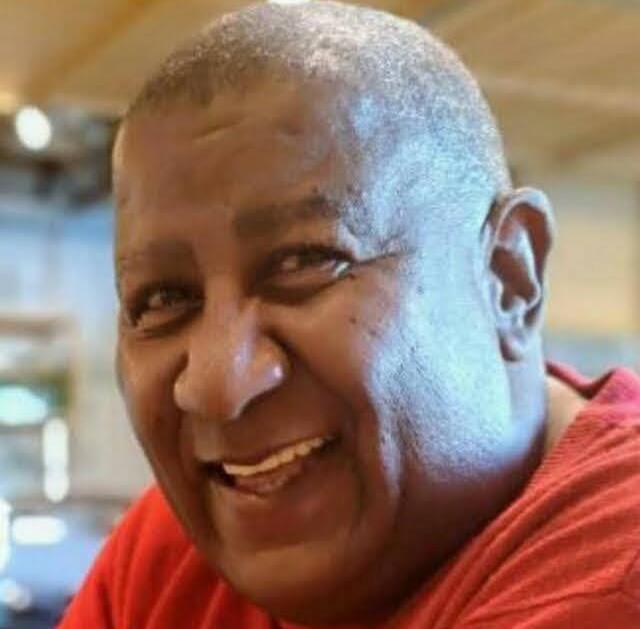
My Journey with Prostate Cancer
There are moments in life that completely change your direction and force you to look at life differently. For me, that moment began in late 2024 when I was diagnosed with prostate cancer.
Before the diagnosis, I had already been experiencing urinary symptoms for quite some time. Initially, I believed it might simply be a bladder infection or inflammation. I was treated with antibiotics and later placed on medication to assist with urinary flow and bladder-related symptoms. During this time, my doctor regularly monitored my PSA levels through blood tests.
As the symptoms continued and the PSA monitoring remained a concern, I was eventually referred to a urologist for further investigation.
In November 2024, I underwent consultations, investigations, scans, and biopsies to determine what was happening.
Then, in December 2024, the biopsy results confirmed that I had prostate cancer.
Receiving the diagnosis was rather shocking news, and it was something I had to contend with patiently in order to eventually come to a place of acceptance. Like many men facing this diagnosis for the first time, I had many questions and very few immediate answers. I was uncertain about which treatment option would be best for me, and the entire process felt unfamiliar and overwhelming.
After receiving the diagnosis, I consulted further with my medical team to better understand the treatment options available to me. Together, we carefully discussed the various possibilities, the risks, and the potential outcomes.
Initially, a “watch and wait” approach was followed while my condition continued to be monitored closely through consultations, PSA testing, scans, and further assessments throughout 2025.
One thing that became very clear to me throughout this process was how fortunate I was to be able to access treatment through private healthcare facilities because we had good medical aid cover. During my journey, I became increasingly aware that many other men do not have the same opportunities, support structures, or access to specialised care.
Rather than allowing the diagnosis to defeat me, I decided to change my perspective. I adopted the mindset that if life gives you lemons, you make lemonade.
That decision ultimately led to the establishment of ProstateSA, a South African non-profit organisation focused on prostate cancer awareness, strength, and support.
The organisation was born out of my own personal journey and the shortcomings I observed along the way. I realised there was a need for more support, information, encouragement, and guidance for men and families facing prostate cancer diagnoses.
As I reflected on my own strengths and abilities, I realised that I had the organisational, administrative, and visionary skills needed to help establish something meaningful. I approached other individuals whom I believed shared similar values and strengths, and together we decided to put shoulder to the wheel and begin building the organisation.
As time went on, my medical team and I came to the conclusion that brachytherapy would be the best treatment option for my particular situation.
In August 2025, I started hormone treatment to shrink the prostate sufficiently for brachytherapy treatment to proceed. Although necessary, the treatment came with several side effects, including hot flushes, fatigue, mood changes, body pain, and burning sensations in my feet and stomach.
Like many cancer patients undergoing treatment, I had to learn how to navigate both the physical and emotional impact of the process. Despite the challenges, I remained determined not to allow the diagnosis to define my entire life. I chose instead to focus on gratitude, faith, purpose, and taking each day as it came.
In January 2026, I underwent an MRI scan to determine whether the prostate had shrunk enough for brachytherapy treatment to continue. Thankfully, the treatment was able to proceed.
In February 2026, I underwent brachytherapy treatment at Panorama Mediclinic.
Even after treatment, the journey did not suddenly end. There are still side effects, follow-up appointments, monitoring, and unanswered questions that form part of living with prostate cancer.
However, one of the greatest lessons I have learned throughout this experience is the importance of hope, support, faith, and community.
Prostate cancer affects more than just the patient. It affects spouses, children, families, friends, and entire support systems. That is why awareness and support remain so important.
Today, my journey is still unfolding, but I continue to take life one day at a time with faith and gratitude.
If my story can encourage even one man to go for testing earlier, ask questions, seek support, or realise that he is not alone, then sharing this journey has been worthwhile.
This is not simply a story about prostate cancer.
It is a story about resilience, purpose, faith, and hope.
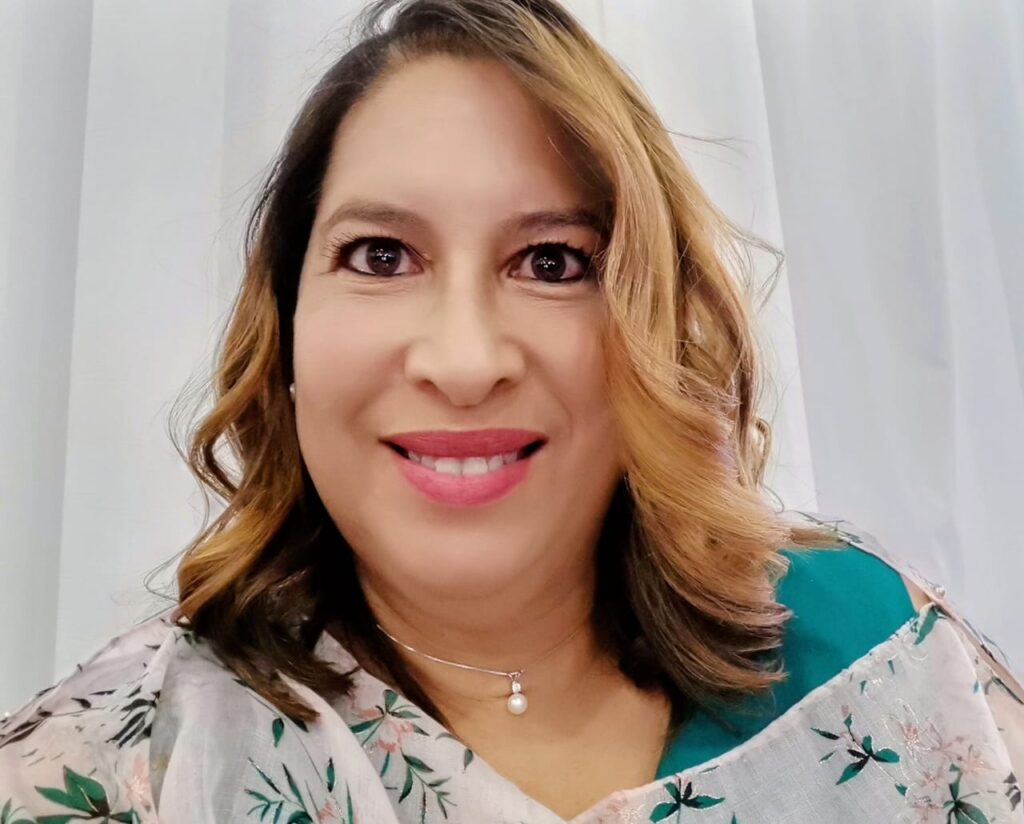
In the Shadows of the Diagnosis: My Perspective as a Partner
There are moments in life that quietly divide everything
into “before” and “after.”
For us, that moment began in November 2024.
Before we were referred to the urologist, my husband had
already been struggling with urinary symptoms for quite some time. At first, we
thought it was something simple — perhaps a bladder infection or inflammation.
He was given antibiotics, and later medication to help with urinary symptoms.
He continued using the medication for many months while regularly going for PSA
blood tests.
Prostate cancer never crossed my mind. Not once.
Looking back now, I realise how easy it is to explain away
symptoms and convince yourself that it is probably something minor. But as time went on and the PSA monitoring continued, I started feeling relieved that we were finally being referred to a specialist. For me, it felt like we were at least moving towards answers, even though I had no idea what those answers would eventually be.
In November 2024, we attended the consultation with the urologist, and later that month further investigations and biopsies were done. Then came the words no family ever wants to hear. In December 2024, the biopsy results confirmed that my husband had prostate cancer. I often think back to that moment in the consulting room. Cancer enters a room and changes the atmosphere completely. Yet at the same time, the conversation around it can feel strangely clinical. The doctor explains the diagnosis, staging, treatment options, and terminology. You listen, you ask questions, and somehow your mind tries to absorb information that your heart is not yet ready to process.
For me, there were no tears in that moment. I did not breakdown. I simply did not know how to react. Even today, I cannot remember most of the questions I asked or many of the answers I received. I only remember the shock. When we left the appointment and walked to the lift, we never said a word to each other.
Not one word. That silence said everything. We were both shocked. I did not know what I was supposed to say or do. My husband sat quietly beside me, and I remember simply placing my hand on his. Sometimes silence becomes the loudest part of the journey.
After the diagnosis, my husband decided to follow a “watch
and wait” approach rather than immediately having surgery. He wanted time to monitor the cancer carefully before making any major decisions.
Although I respected that this was his body and ultimately
his choice, it was not easy for me emotionally. Deep down, I wanted the cancer removed immediately. In my mind, I felt that if the prostate was removed, then perhaps we could remove some of the fear as well. Instead, I found myself silently carrying stress and anxiety while trying to stay strong for him. Those months were emotionally difficult for me. Every follow-up appointment, every PSA test, and every delay felt heavy. While he remained calm and determined in his decision, I quietly wrestled with fear in the background, constantly wondering whether we were making the right choice.
One of the biggest challenges for me was that my husband did
not want many people knowing about his diagnosis, while I am someone who processes things by talking about them. I needed support too, and at times I felt guilty for needing emotional support when he was the one actually living with cancer.
What touched me deeply was when he said to me that the
diagnosis was a shock for me too, and that I was allowed to talk to him about how I felt. He reminded me that although he had cancer, we were both walking this journey together. Eventually, we shared our story with trusted friends, and that made a huge difference for me. One of the lessons I learned through this experience is that partners and spouses should not carry their emotions alone.
Speak to someone you trust. Find people who will encourage you, pray with you, support you, and help you carry the emotional weight of the journey. As time went on, treatment became unavoidable.
In August 2025, my husband started hormone treatment to
shrink the prostate enough for brachytherapy later on. The treatment came with many side effects — hot flushes, mood swings, exhaustion, body pain, fatigue, and burning sensations in his feet and stomach.
Ironically, there were moments where I could not help but
laugh a little to myself, because he was now experiencing some of the very symptoms I had been dealing with during menopause the year before. Suddenly, he understood firsthand how difficult hot flushes, exhaustion, and mood swings could be. The difference was that his symptoms were often even more intense than mine had been.
What encouraged me most throughout this journey was his
resilience and quiet strength. He never allowed the cancer to define every part of his life. At least outwardly, he remained calm and thankful for each day. There were difficult moments, especially during treatment when the side effects affected his mood and energy levels, but I also learned to recognise that those moments were often part of the treatment process and not simply frustration or anger.
That understanding helped both of us navigate the difficult
days with more patience and grace. In January 2026, he underwent an MRI scan to determine whether the prostate had shrunk enough for the brachytherapy procedure to continue. By then, it finally felt as though we were actively moving forward with treatment, and for the first time in a long while, I felt hopeful.
In February 2026, he underwent brachytherapy treatment at
Panorama Mediclinic. The journey did not suddenly end after treatment. Even now, there are still side effects, follow-up appointments, unanswered questions, and days where we simply take things one step at a time. But something changed along the way. The fear that once overwhelmed me has slowly been replaced with faith.
This journey has taught me that cancer affects not only the
patient, but also the spouse, the family, and the people walking quietly beside the person receiving treatment. It teaches you patience, resilience,
compassion, and gratitude for ordinary days.
More than a year after this journey began, we are still walking it one day at a time, trusting God for strength and guidance for whatever lies ahead. This is a story of courage. A story of perseverance.
A story of faith, hope, and continuing to fight even when
the road is difficult. And most importantly — this is not just a story about prostate cancer. It is a story about hope.